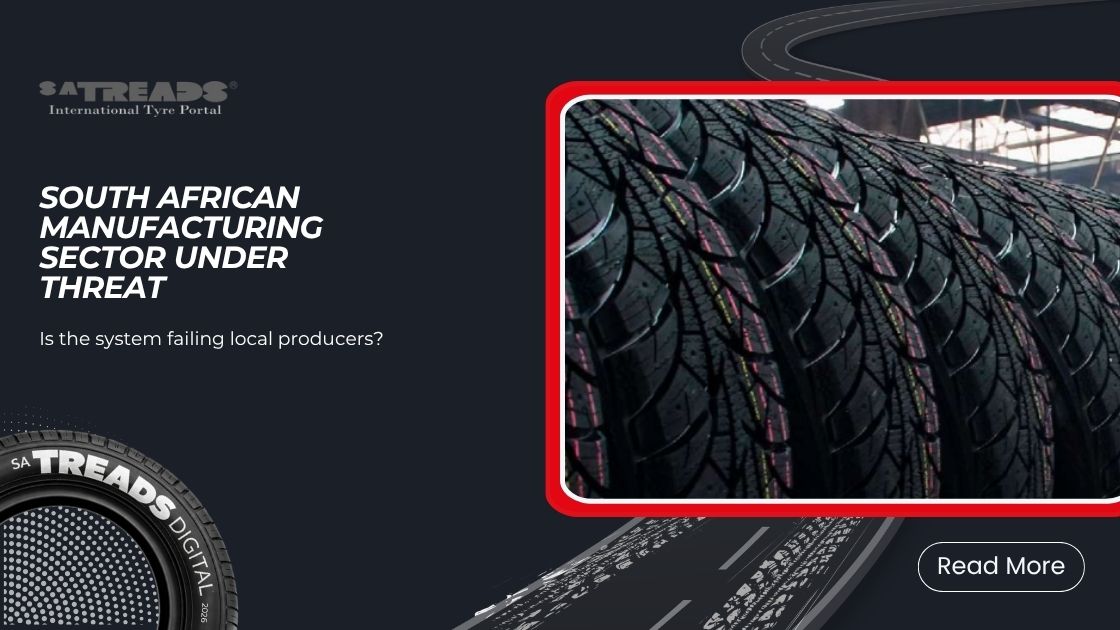
Is the system failing local producers?

The closure of the Goodyear Kariega plant in Uitenhage last year that resulted in more than 900 job losses, was met with profound shock. No one expected the closure of a manufacturing icon that had operated in South Africa for more than 70 years. Sadly, Goodyear is not an isolated case.
Another iconic brand – Nissan – has exited the country, with its legendary plant in Rosslyn, being sold to Chinese vehicle manufacturer, Chery SA. Other notable exits include British American Tobacco (BAT) which is scheduled to shut down its only manufacturing plant, ending over a century of production in South Africa and Shell and BP which closed the SAPREF refinery in Durban. Shell is also pulling out of its downstream business (600+ service stations).
Also included in the mix are AcelorMittal SA which ceased long steel production at its Newcastle plant and restructured operations, affecting 3 500 workers, Ferroglobe that placed its Polokwane silicon smelter on care and maintenance, citing a 900%plus increase in electricity costs since 2007.
And that’s not all. Coca-Cola Beverages South Africa closed plants in Bloemfontein and East London, resulting in significant job losses. Ans for the Automotive Supply Chain is concerned, at least 14 component suppliers for the automotive industry closed in 2025, with several more closures taking place in early 2026. Worryingly, this disturbing trend is symptomatic of the mounting challenges facing local manufacturers – across all industry sectors – due to extraneous variables beyond their control.
The breakdown of critical infrastructure – affecting power and water supply – rapid deterioration of the roads due to a growing number of goods needing to be transported by road (due to the collapse of the railway system,) South Africa’s allegiance to BRICS, which in turn, could affect its AGOA status, low economic growth, expectations for companies to adhere to BBBEE regulations (even multinationals), labour laws, union demands, to name but a few, all point towards a general deterioration that is forcing manufacturing concerns to dig deep, to remain sustainable.
In the tyre sector, three of the four manufacturers are not locally owned, with their headquarters located in Europe, the USA and Japan respectively, a major reason (according to our sources), behind the closure of the Goodyear plant. The South African plant was one of several to be shut down, by parent company – The Goodyear Tire & Rubber Company, based in Akron, USA – as part of a strategic decision to consolidate its operations.
That said, Goodyear senior management remaining in South Africa, confirmed that the company would continue with the supply and distribution of the Goodyear product along an import-based model. Which begs the question: At what cost, given import duties to which they would be subjected? Will these additional costs be absorbed internally, or will the customer be compelled to fork out more for the product?
In short, would the steeper cost jeopardise future sales, especially with the onslaught of Chinese tyre makes – now numbering 109 – coming into the country? Local tyre makers are under pressure, leading them to apply for protection in the form of anti-dumping duties on imports coming in from China in 2022, and more recently, lodging a new application for protection from tyres coming in from neighbouring countries such as Vietnam, Thailand and Cambodia which provide an easy loophole for foreign tyre makers to circumvent the anti-dumping duties on Chinese factories. This issue remains a hot topic.
The original application to impose restrictions on these Asian countries expired without f inal resolution, but we are told the remaining local three manufacturers will appeal the decision. The appeal is likely to take two-to-three years.
Government’s role is crucial
In the face of rising competition from the Chinese, government institutions are being urged to prioritise South African manufacturing firms, easing regulations that prohibit local and export performance.
Sadly, even those that are 100% South African owned and managed – Bandag being a worthy example – are not receiving the support they need to compete and flourish. “We need government to allows industry players to plug into some of the decision making concerning their own industries and businesses” stated Ndududu Chala Managing Executive South African Manufacturers Conference (SATMC). “Officials who possess the necessary authority to arrive at solutions swiftly, would also go a long way towards reaching swift resolutions to our issues” he added.
“We are proudly South African and do believe that government needs to acknowledge South African owned manufacturing institutions specifically. In the absence of this, the inevitability of losing local manufacturers is a given, in my opinion,” claimed John Laskarides CEO Bandag Southern Africa. We learnt that Sailun – a prominent Chinese tyre maker – has made their intention to invest in South Africa clear, pledging a commitment to invest in a large-scale plant in South Africa during the 6 th Annual Investment Conference. This is in addition to their newly established plant in Egypt.
The keen interest by the Chinese producer to set up a manufacturing presence in the country will likely be followed by other Chinese producers. Said Marius Simpson Managing Director Sailun Africa: “We are exploring all possible avenues to establish manufacturing facilities in South Africa. Discussion in this regard remain sensitive and confidential in nature with all stakeholders.” Sailun is only the beginning.
We have it on good authority that other possible entrants from China are seriously contemplating setting up plants in South Africa, in a bid to expand their global footprint on the African continent. Interestingly, Sailun global manufacturing footprints deliver between 80-95 percent local employment, despite unfounded speculation to the contrary, as the cost of foreign employees cannot be justified over the long term, Sailun confirmed.
The South African plant will operate along similar lines, thereby providing job opportunities for skilled operators, in the future. All well and good, but ironically, there is little by way of incentives being offered to wholly owned South African manufacturers, to ensure their long-term sustainability.
Imports versus local
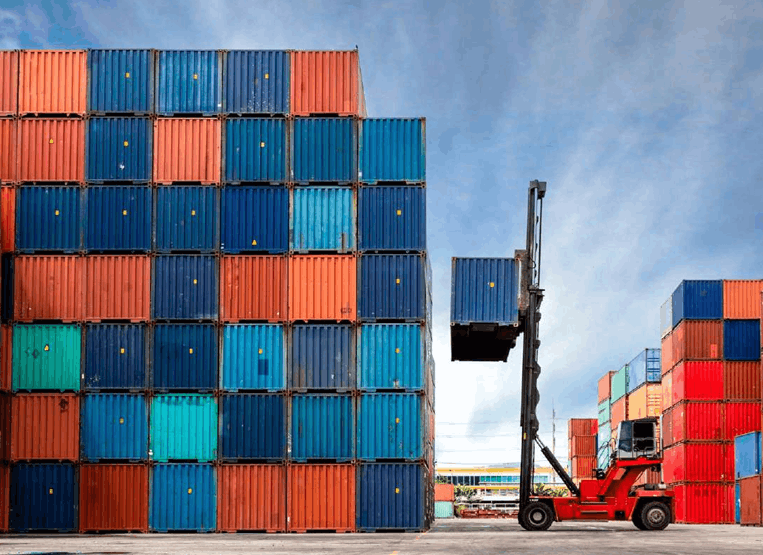
According to the SATMC, the ratio of imported tyres versus locally produced currently stands at 66% on passenger and as high as 73% on truck tyres. A staggering figure, underscoring the local producers’ concerns, who must compete against these cheap imports that despite the protection measures in place, retail for a fraction of the cost. In the current economy, with consumers feeling the pinch on all levels, it is hardly surprising that cheap foreign makes are fast replacing legacy brands in the replacement market.
Ironically, however, the local new tyre producers – Bridgestone, Continental and Dunlop – none of which are locally owned), are responsible for a sizeable portion of imports coming into the country, to cater for applications and sizes they do not produce in South Africa.
Therein lies the dichotomy of the position they find themselves in, in that they too are partially reliant on imports to service their customer base.
While the SATMC continues to call for more protection against imports from government, the local tyre makers are in effect, importers themselves.
OE supply under threat
Historically, the Original Equipment (OE) market has served as a steady, powerful trading platform for the local manufacturers. While this remains a core sector of their businesses, recent developments, such as the sale of the Nissan plant to Chery SA, reinforce a changing market landscape. With more foreign motor vehicle manufacturers establishing a presence in the country, this is likely to compromise local supply to these new entrants to the market, who will equip their new vehicles with their own foreign tyre makes. In that event, the replacement market is likely to take on greater significance for the remaining local tyre makers, to make up any losses in the OE segment.
Consequences for the distribution network
he closure of the Goodyear plant has shaken the retail trade, with the dealer network (especially those with fixed alliances to the local manufacturers), facing future uncertainties. Where the Goodyear product is concerned, again, senior management we spoke with confirmed that their affiliated network – HiQ – would continue to operate as before, along the import-based model Goodyear has chosen to adopt in South Africa. But when asked whether the current threshold on Goodyear sales would remain in place, they declined to comment.
Bear in mind that all four tyre makers have dedicated distribution allegiances in place, Bridgestone/Firestone to Supa Quick, Continental to Best Drive and Dunlop to Dunlop Zone. And based on reports from the dealer trade, their local manufacturing partners have downsized their sales representatives to a mere handful, sparking concerns. Should the country suffer a second casualty, with another plant closing, the long-term effects to these distribution networks remain unclear.
Closure of Australia’s tyre manufacturing plants signal warning for SA
Australia’s tyre manufacturing industry declined over a few decades due to a mix of economic pressure, global competition and structural changes in manufacturing.
Here too, multinational tyre companies consolidated production into fewer, larger plants in Asia, as it made more sense, logistically, to supply Australia from these regional hubs, rather than maintain separate local factories.
Bridgestone Australia closed its Adelaide plant in 2010, with Goodyear Dunlop following suit, shutting down its last Australian factory in 2015.
In addition, that labour, energy and regulatory costs are far higher in Australia than in countries like China, Thailand, or Indonesia, global companies found it much cheaper to produce tyres overseas. Notwithstanding, Australia has imposed serious barriers to entry, thereby limiting damage from dumping and making for a more level playing field.
Should local tyre manufacture cease in South Africa, the adverse effects will be vast and widespread, and not only when it comes to job losses. Cessation of local manufacturing could also entrench players in the market who would only be invested in self-interests. Any perceived benefits are unlikely to translate to South Africans.
“Fundamentally, the closure of local manufacturers will constitute a more expensive product to the South African consumer as all local safeguards will have been removed. The existence of a local manufacturing presence is the biggest obstacle to open ended costs incurred by the consumer, whether in truck or retail. In addition, the relevance of pricing to value and quality would also fall away, by definition,” commented John Laskarides.
“Government needs to understand the importance of retaining local manufacturers, and afford them more protection, by way of subsidies, export incentives, and the like” reinforced Laskarides. Pledging their commitment to South Africa, Lubin Ozoux, CEO Dunlop Tyres South Africa said: “DUNLOP’s presence in South Africa is rooted in a firm belief in the country’s manufacturing potential and its vital role in the automotive value chain. Backed by shareholders with a long-term view of South Africa and the African continent, we have invested R1.7 billion over the past three years into strengthening the sustainability, efficiency, and capability of our uMnambithi (formerly Ladysmith) plant. Our strong partnerships with OEMs, local communities, and municipalities, together with continued investment in our people and operational excellence, reflect our intention to remain a committed, constructive contributor to local industry.”
Echoed Managing Director/Plant Manager, Olaf Kreis, Continental Tyre SA: “The tyre market in South Africa has been significantly impacted for several years by intense competition from low-cost imported tyres. Despite operating in an increasingly challenging environment, Continental Tyre South Africa is committed to responsible local manufacturing, product quality and long-term customer value.”